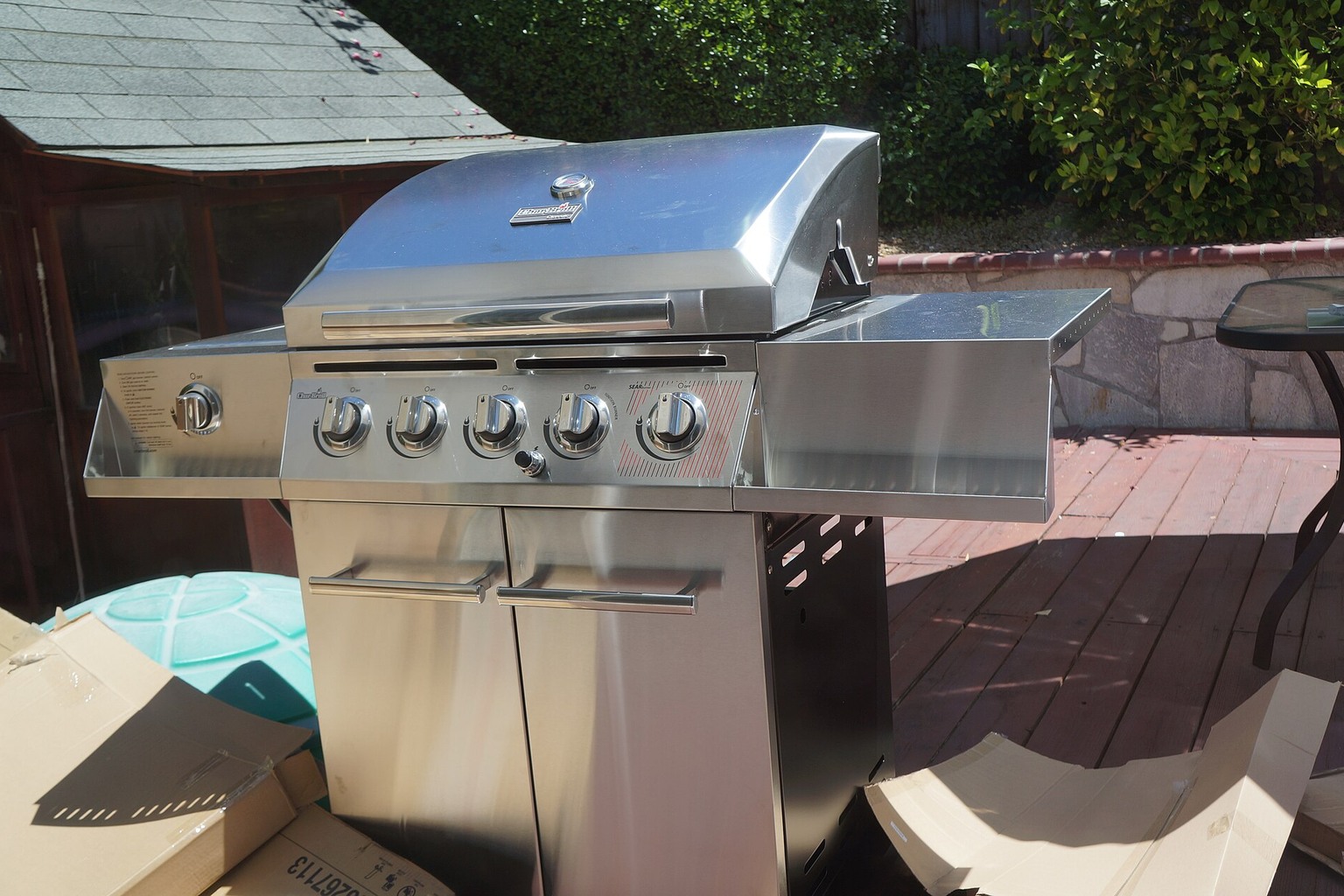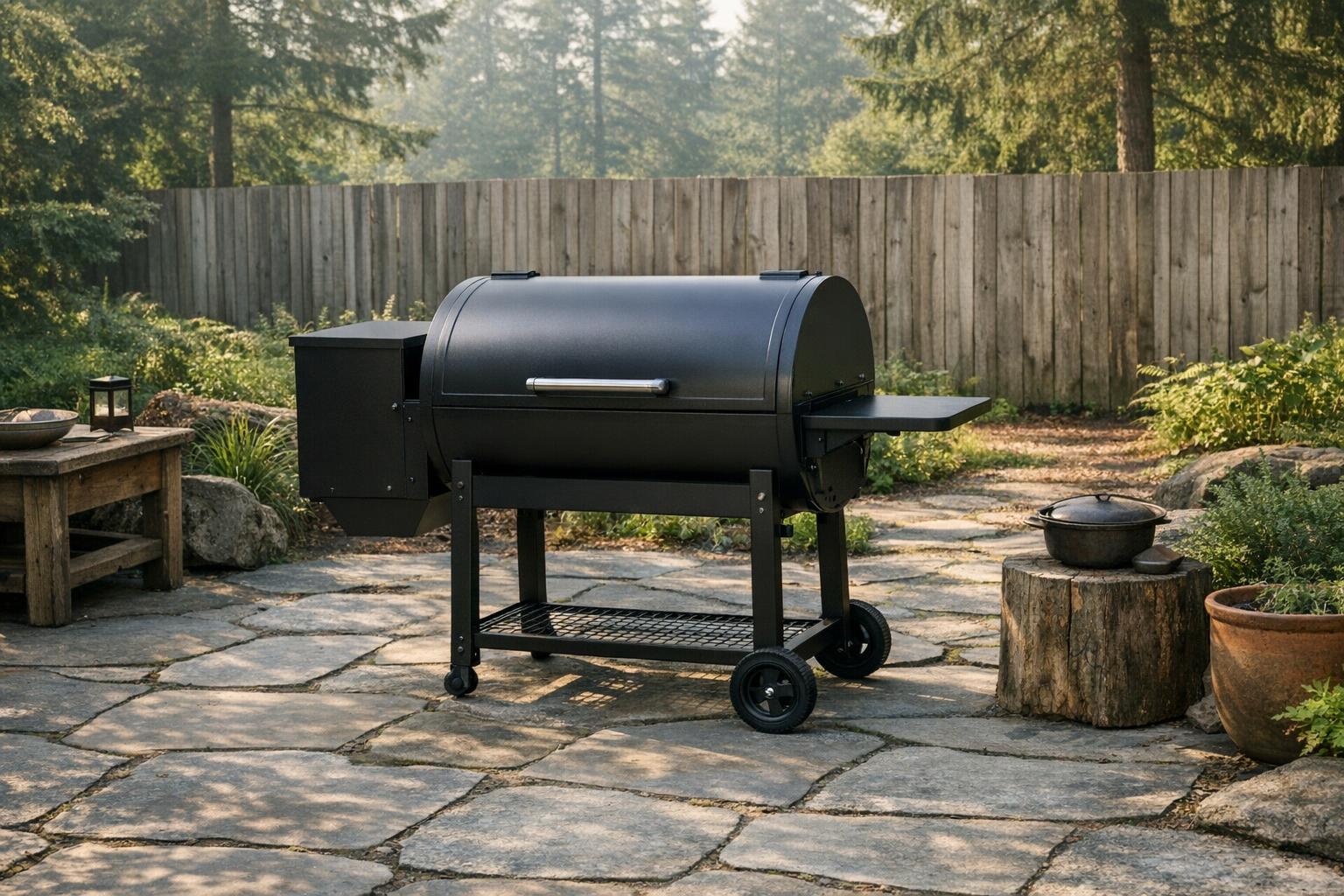
A practical equipment checklist for grate space, controls, fuel handling and exact-model research. This guide uses exact listing records, not hands-on tests. Seller specifications illustrate the questions to ask; they do not establish measured cooking performance.
Write down the jobs you actually need
Start with the meals you want to make and the space available outdoors. A cooker chosen for occasional travel faces different constraints from equipment that remains on a patio. Write down the longest food item you expect to place on the grate, how much access you need around it, and where tools will go while you lift the lid. These are buying questions, not a universal capacity formula. The purpose is to turn a broad search into requirements that a manual or a dimensioned drawing can answer.
Do not let an advertised list of cooking modes substitute for those requirements. The captured Traeger Pro 22 listing describes six cooking functions and 572 square inches of cooking space. Those statements identify the seller's positioning; they do not show that every function performs equally well. Our pellet versus gas guide explains how to compare cooking arrangements without inventing a head-to-head test.
Separate area from usable shape
An area number does not tell you the shape of the surface. The captured Cuisinart portable listing is a useful example because it separates 256 total square inches into 188 on the main rack and 68 on the warming rack. You should not treat that total as a single flat rectangle. Ask for primary grate dimensions, upper-rack height and access under the lid. A large combined number can still leave an awkward layout for a long pan or a bulky cut.
Use our cooking area guide before comparing headline figures. The grate area planner multiplies rectangular dimensions and counts aligned squares of a size you choose. It deliberately does not estimate guests or burgers. Food shape, handling space and heat distribution are not encoded in a square-inch specification.
Decide which controls solve a real problem
The Pro 780 listing explicitly names WiFIRE technology and app-based temperature adjustment and monitoring. That is a reason to investigate connectivity, not proof that your phone will connect reliably at the intended outdoor location. Check the current app requirements, supported network, manual controls and what happens when a connection disappears. A remote display can be useful while preparing other parts of a meal, but it does not change the need to supervise an operating appliance.
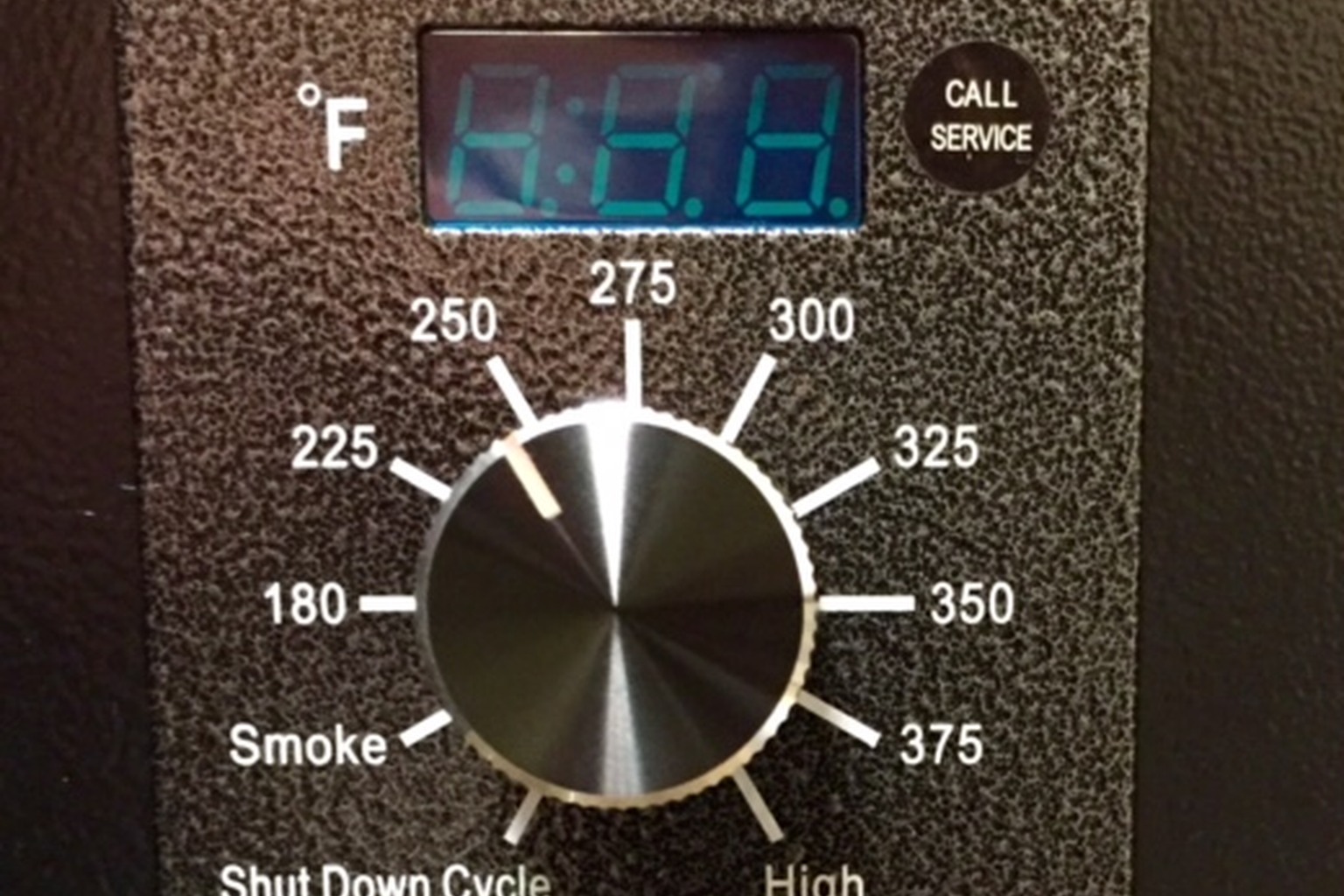
Likewise, a named digital controller is not a measured temperature-accuracy result. The Pro 22 seller describes a Digital Pro Controller; the two listings should not be collapsed into one model simply because they share a brand. Read the wireless buying checklist for the distinction between stated connectivity and verified convenience. Compare the exact edition and included probes rather than assuming every model in a series has the same controls.
Plan fuel, handling and upkeep together
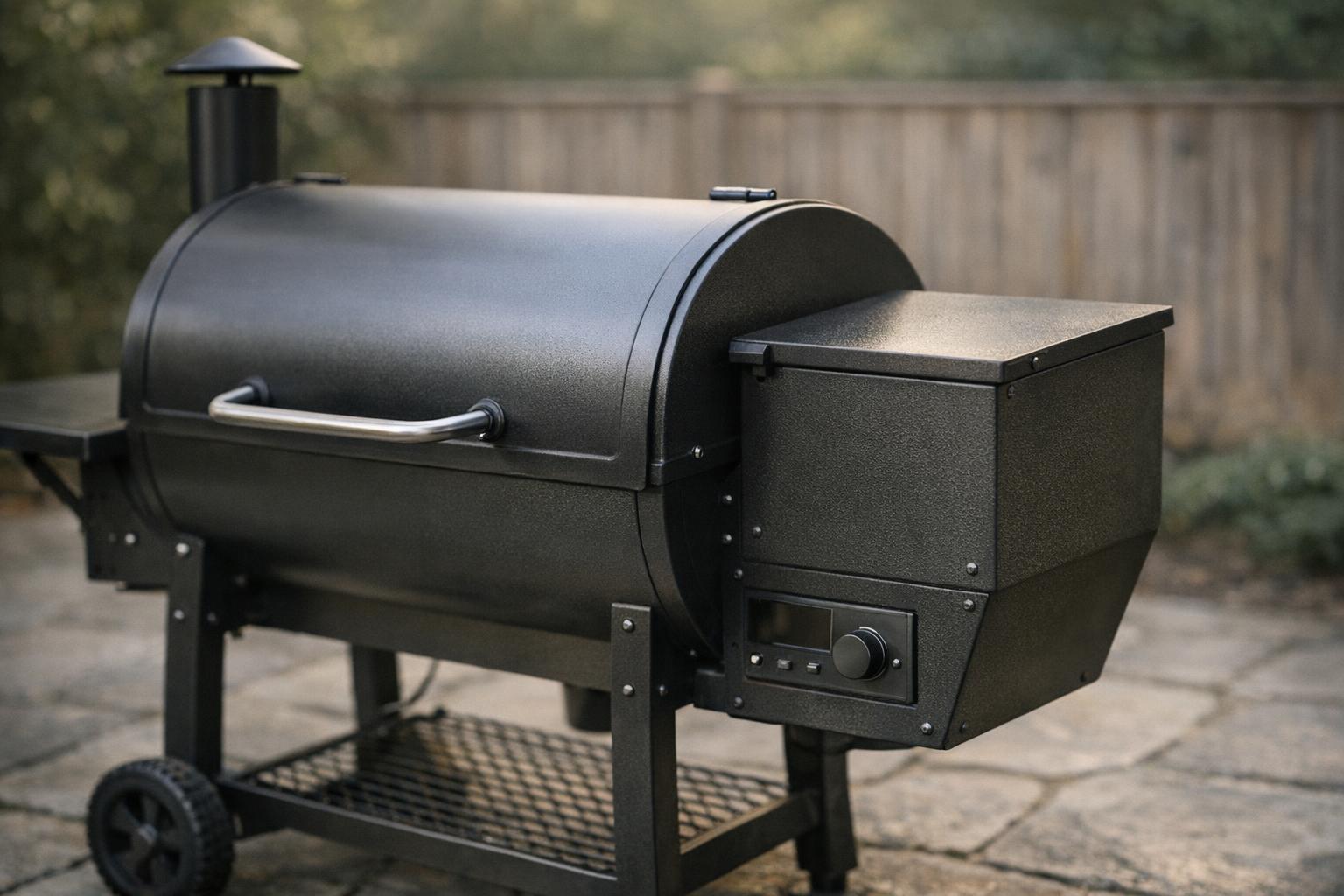
A hopper is part of the fuel-handling system, not a guarantee of unattended runtime. The Pro 22 record states an 18-pound hopper and a clean-out door. The Pro 780 record also states an 18-pound hopper, but that shared number alone does not establish identical fuel consumption. Do not convert pounds into hours without a documented, relevant consumption basis. Even then, operating conditions and the cooking program matter.
Think through the whole routine: storing the bag, loading the hopper, following startup instructions, monitoring the cook, completing the specified shutdown and cleaning after the equipment is safe to handle. Verify maintenance access from the exact manual. A convenient shelf or large hopper should not distract from where grease collects and how the manufacturer expects it to be removed. The maintenance guide provides a purchasing checklist rather than an improvised service procedure.
Build a shortlist that can survive verification
Keep one row per exact model and record the source for each requirement. Leave missing values blank instead of copying them from a similarly named listing. Separate included accessories from compatible accessories sold separately. Check the seller, warranty terms, delivery arrangements and selected configuration on the live listing before ordering. Our catalog can help find those listing identities, but an archived offer is not a permanent price promise.
Our backyard comparison ranks complete pellet grills with collected review evidence. The displayed number blends the captured customer average, review volume and listing documentation using the published methodology. It does not measure smoke flavor, durability or safety. Use the ranking as a research starting point, then apply your own dimensions and operating requirements. Reject a highly rated option if the exact manual cannot resolve an important fit or use question.