Learn what square-inch specifications do and do not tell you, with a transparent rectangular-grate calculator. This guide uses exact listing records, not hands-on tests. Seller specifications illustrate the questions to ask; they do not establish measured cooking performance.
Read the label attached to the number
Cooking area is meaningful only when you know what surfaces are included. A listing may report the primary grate, the sum of several racks or a total without a breakdown. The Cuisinart portable listing is unusually explicit: its 256-square-inch total consists of 188 square inches on the main rack and 68 on a warming rack. That example shows why a total should not silently become the dimensions of one working surface.
The Pit Boss 850 Navigator record calls its 932 square inches a total cooking surface. We retain that description instead of relabeling it primary area. If your menu needs a large uninterrupted rectangle, seek the actual grate width and depth from the exact manual. The buying guide places this question before conveniences such as app control, because a missing physical dimension cannot be solved by a higher editorial score.
Ask what shape and access the area represents
Two surfaces can have equal area and different usefulness for a particular item. A long narrow rectangle and a shorter wider one do not hold the same rigid pan in every orientation. Curved corners and fixtures can further restrict placement. Upper racks introduce another dimension: the space above and below the food. A square-inch total does not describe that height, the opening through which you load the food or the room needed to use tongs.
Make a list of the actual items you plan to place inside, including pans when relevant. Compare their exterior dimensions with documented usable surfaces, without assuming that touching every boundary is an acceptable cooking arrangement. Consult the manual for loading and airflow restrictions. The vertical smoker comparison guide explains why several stacked racks should not be mistaken for one very large grill grate.
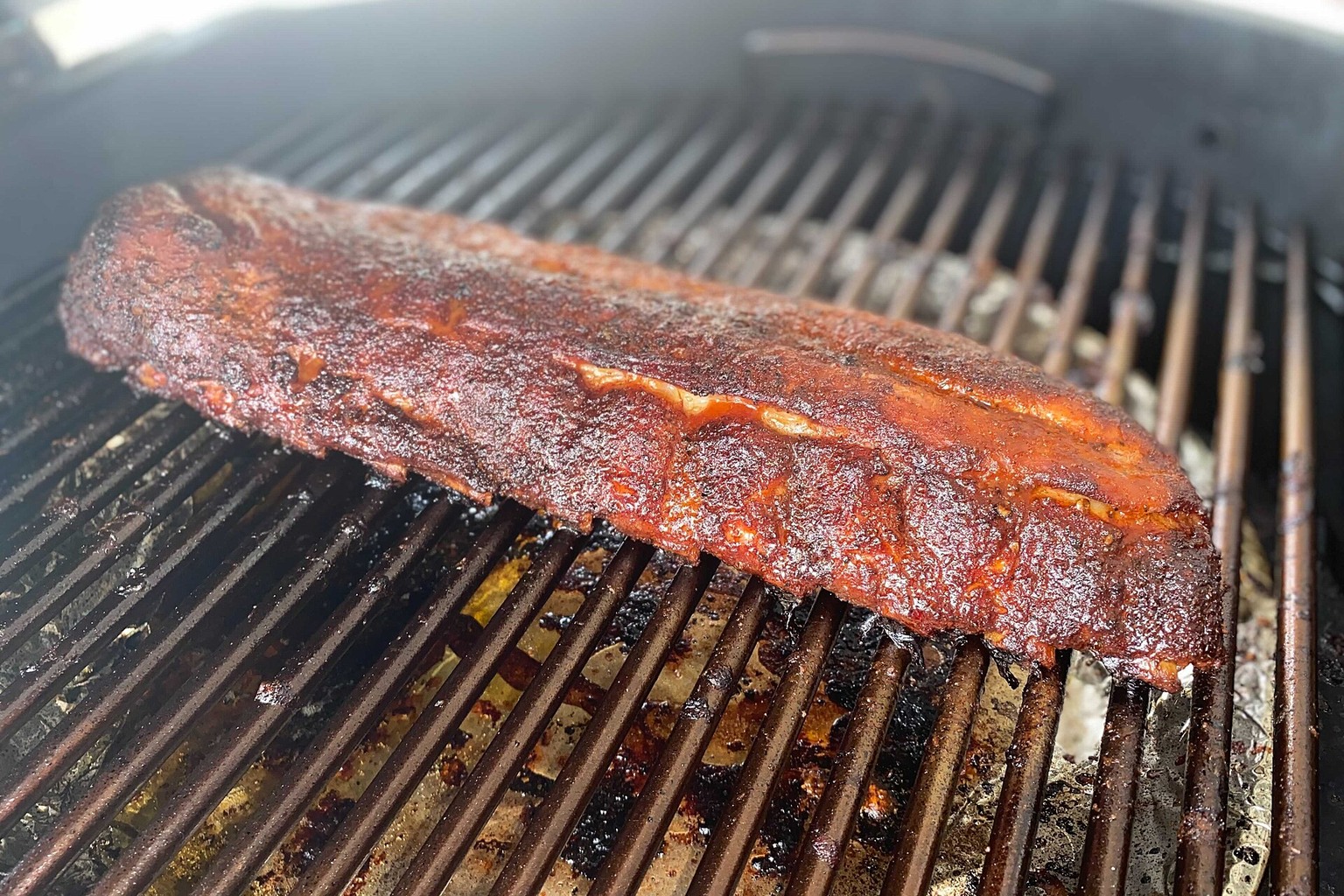
Use rectangular geometry without inventing servings
Our grate area planner accepts width, depth and the side of a planning square, all in inches. It multiplies width by depth to return square inches. It then counts aligned squares using floor(width / side) multiplied by floor(depth / side). The floor operation discards incomplete spaces along each edge. No typical burger diameter, guest count, food spacing rule or conversion constant is hidden in the calculation.
For a 24 by 18 inch rectangle, the area is 432 square inches and twelve aligned 6-inch squares fit. For a 12 by 9 inch rectangle, the area is 108 square inches but only two such squares fit. Simply dividing 108 by the area of a square would overlook how the leftover strips are arranged. These examples demonstrate geometry only. They are not instructions for food loading and do not establish a safe clearance between items.
Keep rack totals and model claims traceable
The Navigator 3-Series vertical smoker title describes 1,118 square inches of five-rack cooking space. Its feature record confirms five porcelain-coated steel racks. That is useful evidence about the documented layout, but it does not give us permission to assign an equal area to each rack or infer its width from the overall total. We do not invent those missing measurements. Removing a rack to accommodate tall food may also change the usable arrangement, which is another reason to read the manual.
When comparing listings, keep the exact source phrase beside the number. A newer edition or bundle may carry a similar name but different included surfaces. Our catalog retains exact listing identities, and our methodology explains unit-based extraction. A model number that happens to resemble an area is not accepted as a measurement unless the listing explicitly supplies the unit.
Turn an area claim into a purchasing check
Before ordering, ask four separate questions: what is the primary grate size, what other surfaces are included in the advertised total, what vertical clearance is usable, and how can you reach food on each level? If a listing cannot answer, treat it as incomplete documentation rather than evidence that the equipment is unsuitable or excellent. You may need a manufacturer drawing or an answer tied to the exact model revision.
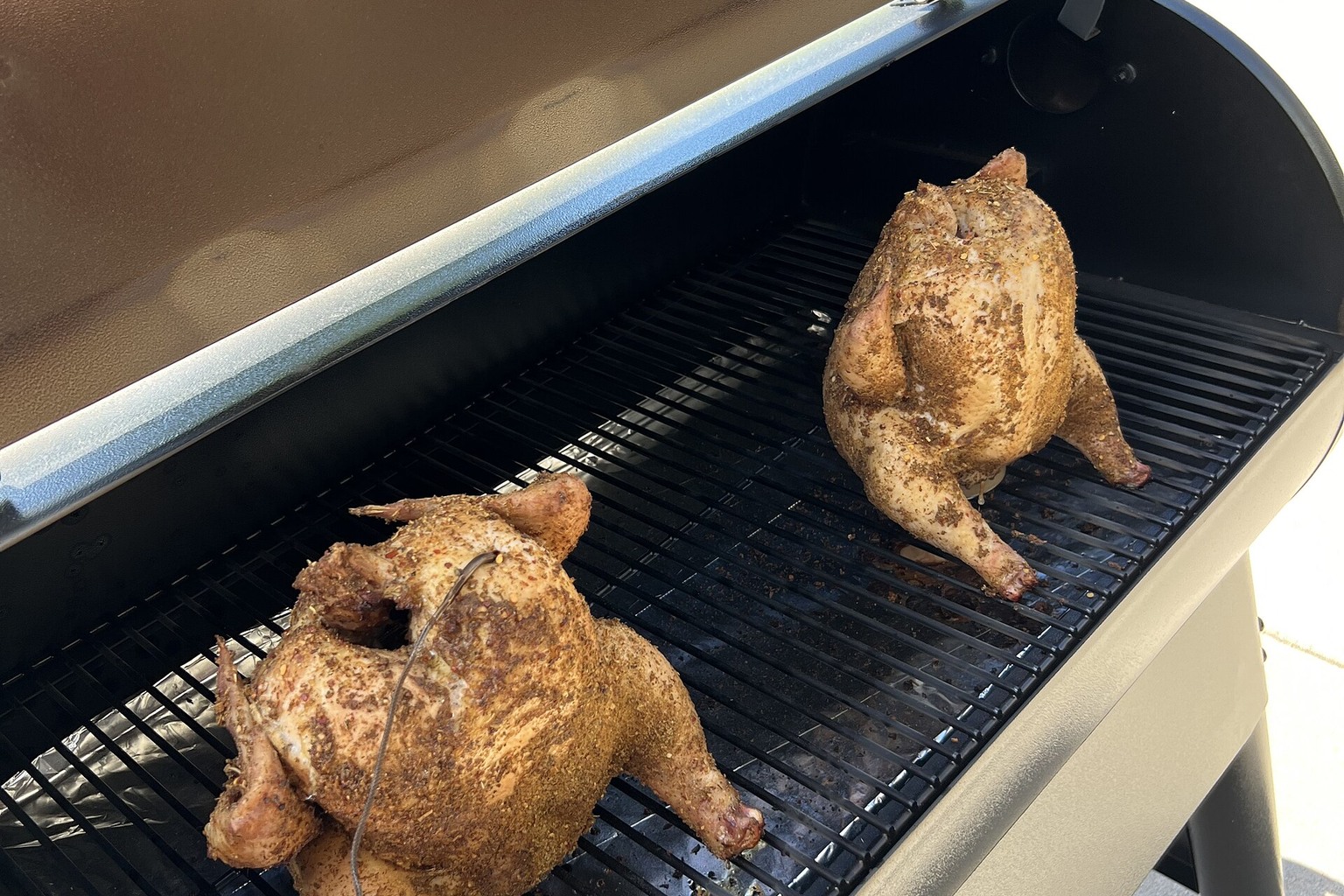
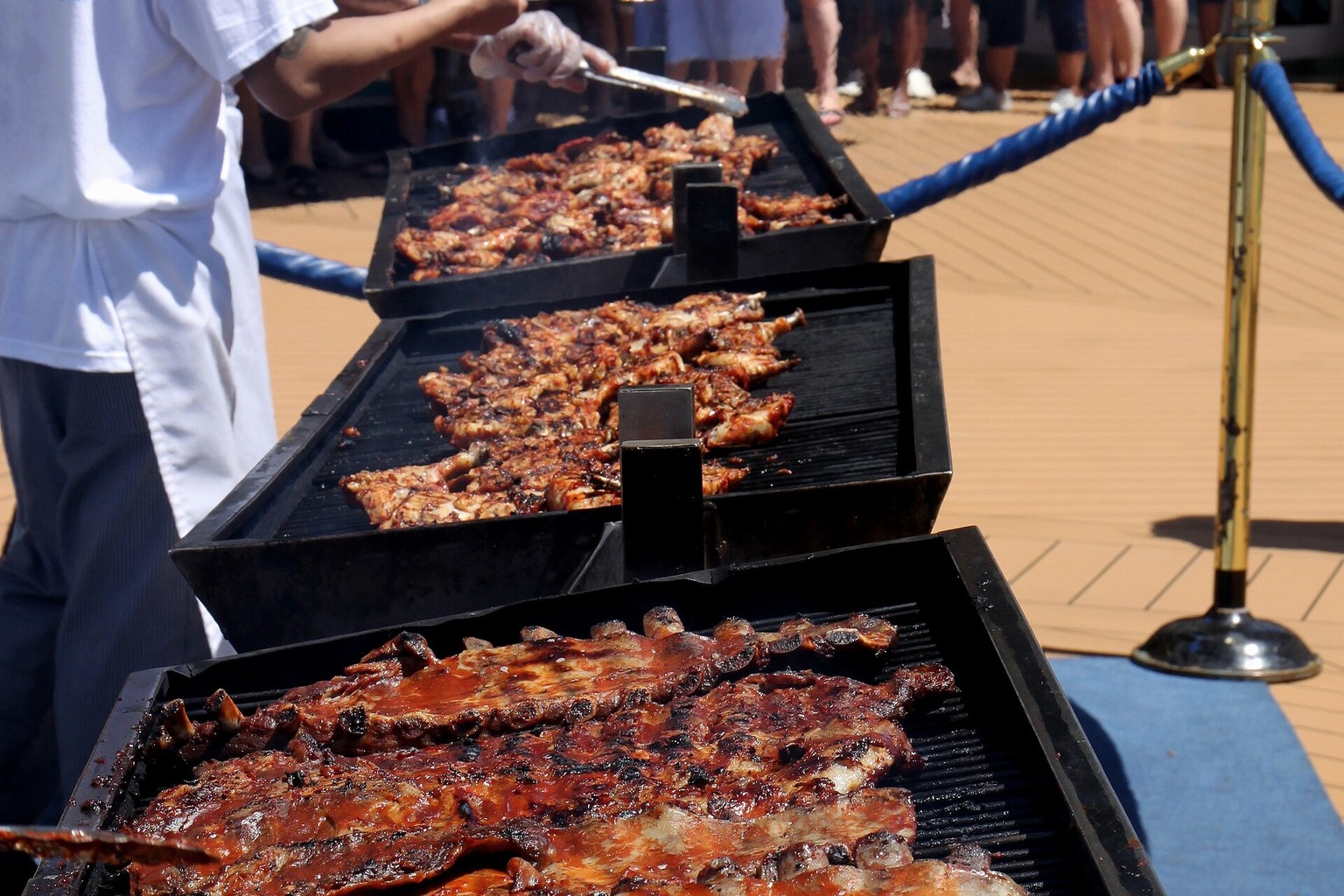
Do not use an editorial scene or product photograph as a scale drawing. Perspective can make a surface appear larger and accessories may be staged in ways the manual does not permit. Likewise, our review-backed rankings do not measure heat distribution across the quoted area. The control guide treats that as a separate evidence question. Choose the layout first, confirm the operating instructions, and use the numeric area only within its documented definition.
Sources and further reading
- Cuisinart 8-in-1 Portable Wood Pellet Grill and Smoker, Compact for RV, Tailgates, Camping, and Backyard Cooking, Smoky Flavor, Versatile Meat Smoker
- Pit Boss 850 Navigator Series WiFi & Bluetooth Wood Pellet Grill & Smoker, Flame Broiler and LCD Digital Controller, 932-Sq. In. Cook Space, 180°F to 500°F Temp Range, Meat Probe, 30 lb. Hopper
- Pit Boss Navigator 3-Series WiFi & Bluetooth Wood Pellet Vertical Smoker with LCD Digital Controller, 1,118-Sq. In. 5-Rack Cooking Space, 130°F to 420°F Temp Range, Meat Probe, 50 lb. Pellet Hopper