Seller-described portability is a starting point; check dimensions, power, cooling and destination rules. This guide uses exact listing records, not hands-on tests. Seller specifications illustrate the questions to ask; they do not establish measured cooking performance.
Define what portable means for your trip
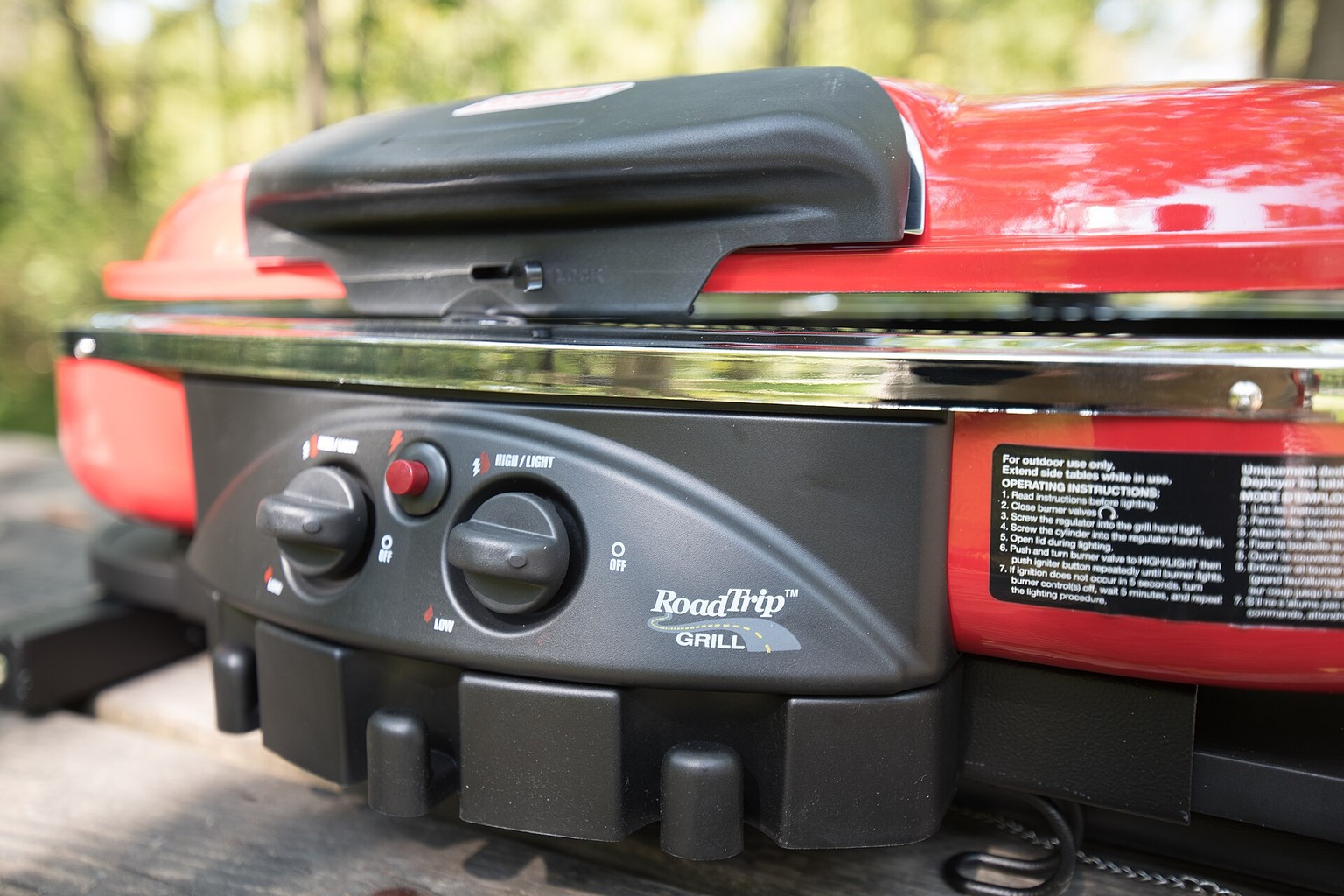
Portable can mean folding legs, a tabletop body, carry handles or simply a smaller format. Those descriptions do not establish that a particular person can lift the unit or that it fits in your vehicle. Start with the transport space, the path between storage and vehicle, and how the appliance will be handled at the destination. Ask for both packed and operating dimensions when the design changes shape.
The Traeger Tailgater listing describes foldable legs and a 300-square-inch cooking space. The Ranger listing calls the unit tabletop and includes a separate cast iron griddle. The Cuisinart portable record provides dimensions and weight as seller specifications. These details support different questions, not a single universal portability rating. Our portable shortlist requires seller wording and review evidence; it does not claim an independent lifting assessment.
Check the weight and the complete packed load
The Cuisinart record states 24 by 18 by 15 inches and 40 pounds. Treat those as exact-listing statements to confirm before ordering, not a promise that the packed load will be convenient. You may also need to carry approved fuel, tools, a suitable support and the accessories you intend to use. Do not assume a listed appliance weight includes every item you will transport or an accessory purchased separately.
Measure the vehicle opening and usable storage area instead of relying on a photograph. Consider whether handles, hinges or folded legs protrude beyond the dimensions that matter for your packing plan. Check manufacturer transport instructions, including how to secure removable components. Our accessory guide explains why a cover or support should be matched to the exact model, not selected solely because another compact grill uses it.
Resolve electrical supply before leaving
Pellet fuel does not imply that the appliance operates without electricity. The Tailgater listing explicitly states a 120V AC power source. That is a reason to verify the complete electrical requirements in its manual, not permission to extrapolate the same specification to every portable model. Do not improvise adapters, extension arrangements or a battery runtime calculation from a title. A model's stated supply and the destination's permitted setup must be checked together.
Confirm that the destination allows the appliance and that your intended location meets the exact outdoor-use and clearance instructions. A campsite reservation, an apartment balcony or a tailgate space is not automatic permission to operate it. Read the buying checklist for the broader fit questions. Editorial photographs are illustrative compositions, not approved operating layouts, and this guide does not provide electrical installation instructions.
Keep cooking capacity separate from compact size
The Cuisinart listing divides its 256-square-inch cooking space into a main rack and warming rack. The Pit Boss 150 record also states a 256-square-inch total, but that shared number does not prove identical usable dimensions or rack arrangements. If your planned meal requires a specific pan or long cut, obtain the primary grate measurements. Compact exterior dimensions are not a substitute for usable cooking geometry.
Use the area guide to compare totals consistently. Our rectangular planner can help once you have a rectangular grate's actual dimensions, but it does not estimate portions or account for circular corners. Also check access under the lid and whether an included griddle changes the configuration you intend to use. A mode named in a listing does not establish its measured performance.
Plan the return journey, not just the first cook
A practical travel plan includes startup, supervision, the prescribed shutdown, cooling and safe packing. The Pit Boss 150 record mentions automatic startup and cool-down cycles. Follow the exact manual rather than assuming you can disconnect power immediately when the food is finished. We do not supply a generic cooling time; the required procedure and conditions belong to the appliance instructions.
Check how grease and remaining fuel should be handled before movement, and allow for that work in the trip schedule. The maintenance guide helps identify the relevant manual sections without inventing a service routine. Finally, inspect the selected model and seller on the live listing: bundles, revisions and included accessories can change. Our rating reflects collected reviews and documentation, not road testing, drop testing or a guarantee that a portable description matches your strength, vehicle or destination.
Keep a packing checklist separate from a cooking checklist. Transport dimensions answer whether equipment enters the vehicle; operating clearances answer whether it may be used at the destination. Resolving one does not resolve the other. When the manual provides different instructions for transport and use, retain both rather than compressing them into a single footprint number.
Sources and further reading
- Traeger Tailgater Portable Wood Pellet Grill & Smoker, 300 Sq In
- Traeger Ranger Portable Wood Pellet Grill & Smoker, Cast Iron Griddle
- Cuisinart 8-in-1 Portable Wood Pellet Grill and Smoker, Compact for RV, Tailgates, Camping, and Backyard Cooking, Smoky Flavor, Versatile Meat Smoker
- Pit Boss 150 Wood Pellet Grill & Smoker with Flame Broiler 256-Sq. In. Cooking Space, 180°F to 500°F Temperature Range, 7 lb. Pellet Hopper, for Tailgating, Camping, or Travel, Black