Read controller and temperature-range statements without confusing them with measured cooking performance. This guide uses exact listing records, not hands-on tests. Seller specifications illustrate the questions to ask; they do not establish measured cooking performance.
Identify what the temperature number describes
A listing may mention a controller setpoint range, a chamber temperature, a food-probe reading or a direct-heat claim. These are not interchangeable quantities. The Pro 22 listing describes operation from 180°F to 450°F and advertises a control tolerance. The Navigator 850 title states a 180°F to 500°F range and names a flame broiler. We record those as seller statements for the exact equipment, not as the results of our own measurements.
Before comparing two figures, ask what was measured, where, under what conditions and with which configuration. If the listing does not answer, leave the comparison unresolved. Our pellet versus gas guide uses the same discipline: a maximum headline number cannot, by itself, establish searing quality, cooking speed or uniformity across the grate.
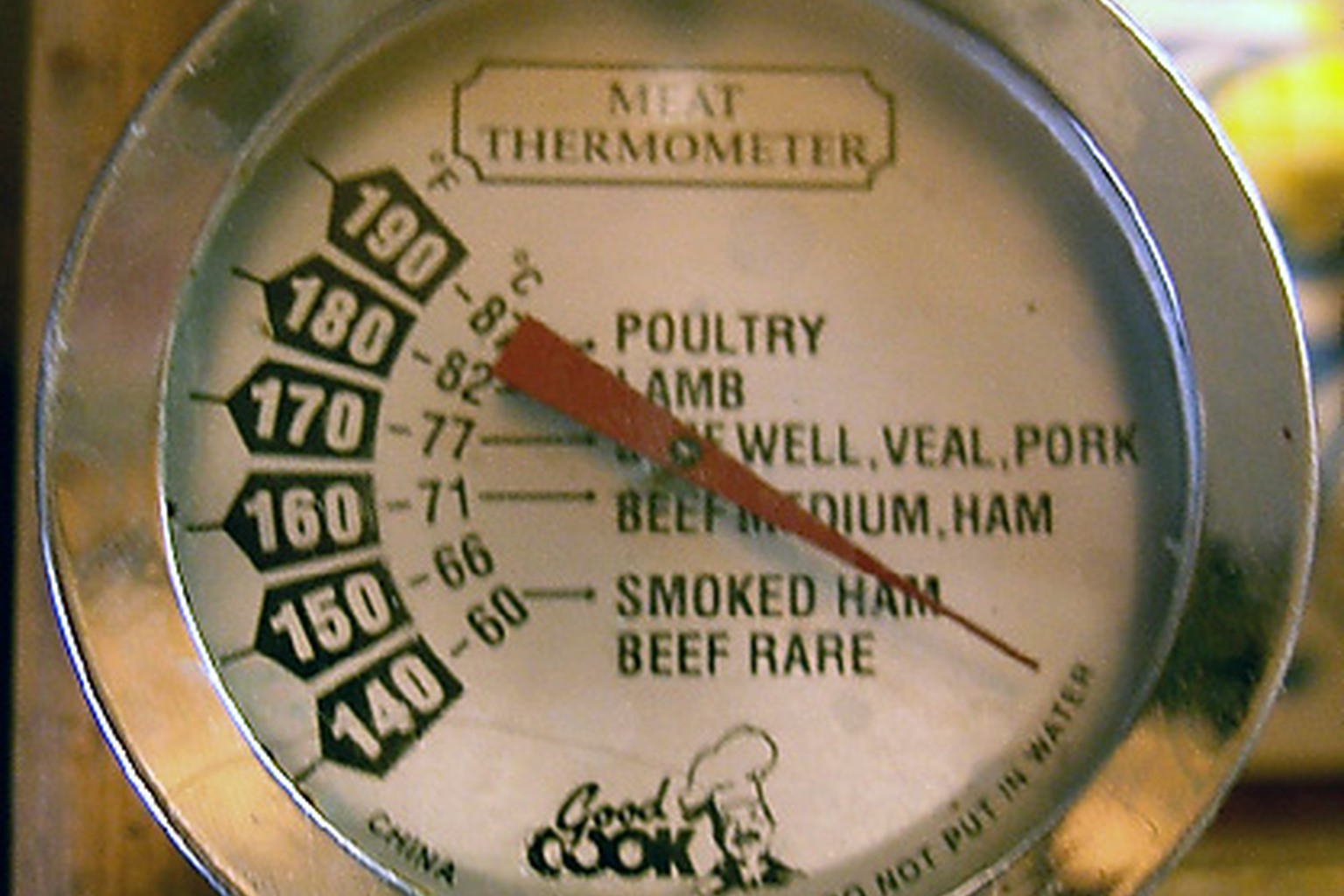
Treat a controller name as a feature, not a test
The Z GRILLS ZPG-550B2 record names a PID 3.0 controller with an LCD screen. The Tailgater record names a Digital Arc Controller. These descriptions help identify the equipment and guide a manual search. They do not supply a common laboratory protocol, and a version number is not a temperature-error measurement. We do not rank one controller as more accurate simply because its name sounds more technical.
Read the manual for how settings are entered, what displays represent, how startup and shutdown work, and what alerts require attention. If a claimed accuracy matters to your purchase, ask for its conditions and measurement method. Our equipment checklist separates documented features from tested outcomes so that a marketing term does not silently become evidence of superior cooking.
Separate food probes from the appliance sensor
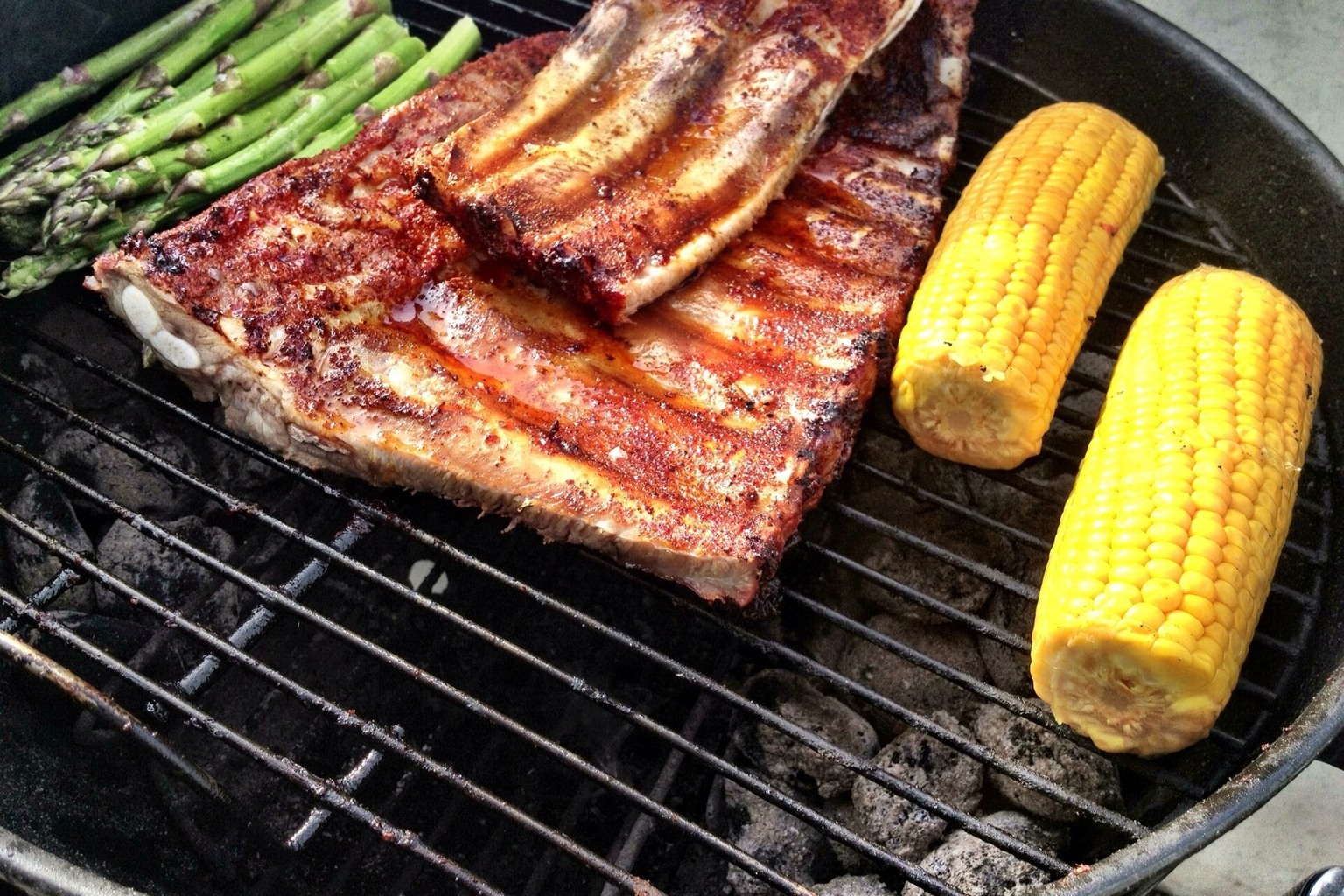
A food probe and the appliance's control sensor answer different questions. The Pro 22 listing describes a built-in meat probe, and the Navigator 850 record states that two meat probes are included. That tells you something about supplied equipment, not a complete calibration history or the temperature at every location in the chamber. Check the manual for probe placement, supported sensors, cleaning restrictions and the meaning of each displayed reading.
Do not assume an inexpensive replacement is electrically or physically compatible because the plug appears to fit. The compatibility guide explains why the exact part number and revision matter. For food handling and doneness, use authoritative food-safety guidance and a suitable thermometer; this buying guide does not replace that guidance with a seller's claim of perfect results. We have not verified probe accuracy for the listed products.
Understand what connectivity does not establish
A phone can display information without changing the quality of the underlying measurement. The Navigator record advertises WiFi and Bluetooth, while the Pro 780 discussed in our wireless guide describes app-based control. Neither statement proves even heat across every rack or uninterrupted communication at your location. Separate the convenience of viewing a reading from the evidence behind that reading.
Our WiFi checklist covers supported functions, included probes and connection questions. Wireless controls do not remove the need to supervise operation or follow manufacturer shutdown instructions. Likewise, a large hopper does not validate a fixed unattended duration. The fuel guide keeps capacity and runtime separate, because no consumption rate follows automatically from a temperature-range headline.
Compare documented controls without overstating certainty
For each candidate, record the stated range, named controller, supplied probes, manual-control functions and any explicit wireless features. Add a separate column for unresolved questions. If one source describes total chamber range and another advertises a local direct-heat maximum, do not place them in the same comparison column as if they were equivalent. Preserve the wording that explains the distinction.
Cooking-area layout is another independent question: a temperature display cannot tell you whether a large pan fits, and a square-inch total cannot tell you how evenly the surface heats. Consult our area guide for the geometry side. Our editorial ratings use review evidence and documentation under a transparent formula. They are not temperature-stability scores, calibration certificates or a claim that one unit will reproduce another's cooking result. Buy only after the essential operating details are resolved for your exact model.
When reading customer comments about temperature, look for the exact model and what the reviewer actually measured. A report about a food probe should not be silently treated as a chamber-control measurement. A complaint about an app connection does not establish a faulty temperature sensor. These distinctions make qualitative reviews more useful without pretending that scattered anecdotes form a controlled comparison.
Sources and further reading
- Traeger Pro 22 Wood Pellet Grill & Smoker, 572 Sq In
- Traeger Tailgater Portable Wood Pellet Grill & Smoker, 300 Sq In
- Z GRILLS ZPG-550B2 Wood Pellet Grill & Smoker with PID 3.0 Controller, 553 sq in Cooking Area, Meat Probe, Hopper Cleanout, 8 in 1 BBQ Grill Outdoor Auto Temperature Control, Black
- Pit Boss 850 Navigator Series WiFi & Bluetooth Wood Pellet Grill & Smoker, Flame Broiler and LCD Digital Controller, 932-Sq. In. Cook Space, 180°F to 500°F Temp Range, Meat Probe, 30 lb. Hopper